Discovering Spinal Decompression Methods: What You Need to Know for Better Spine Care
Spinal decompression strategies are crucial for people experiencing chronic pain in the back or spinal issues. These approaches vary from non-invasive treatments to medical alternatives, each created to soothe stress on the back. Comprehending these techniques is essential for efficient spinal column treatment. Nonetheless, not all strategies appropriate for each problem. The subtleties behind each technique warrant closer exam, as they can considerably influence healing and total health end results. What aspects should one consider before deciding?
Understanding Spinal Decompression
Although spinal decompression may appear complex, it basically describes a range of techniques aimed at reducing stress on the spine and surrounding nerves. Spinal Decompression. The back is a critical structure that sustains the body and protects necessary neurological paths. When compression happens, it can result in pain, discomfort, and decreased movement. Comprehending spinal decompression involves recognizing the reasons for this stress, such as herniated discs, spinal constriction, or injury. By addressing these underlying issues, decompression strategies look for to bring back appropriate placement and feature. This procedure can entail both non-surgical and surgical methods, tailored to private person requirements. The goal is to boost the quality of life by eliminating discomfort, enhancing position, and assisting in much better motion. As understanding of spinal health and wellness grows, the relevance of recognizing spinal decompression comes to be progressively appropriate for those seeking effective treatment alternatives
Usual Spinal Decompression Methods
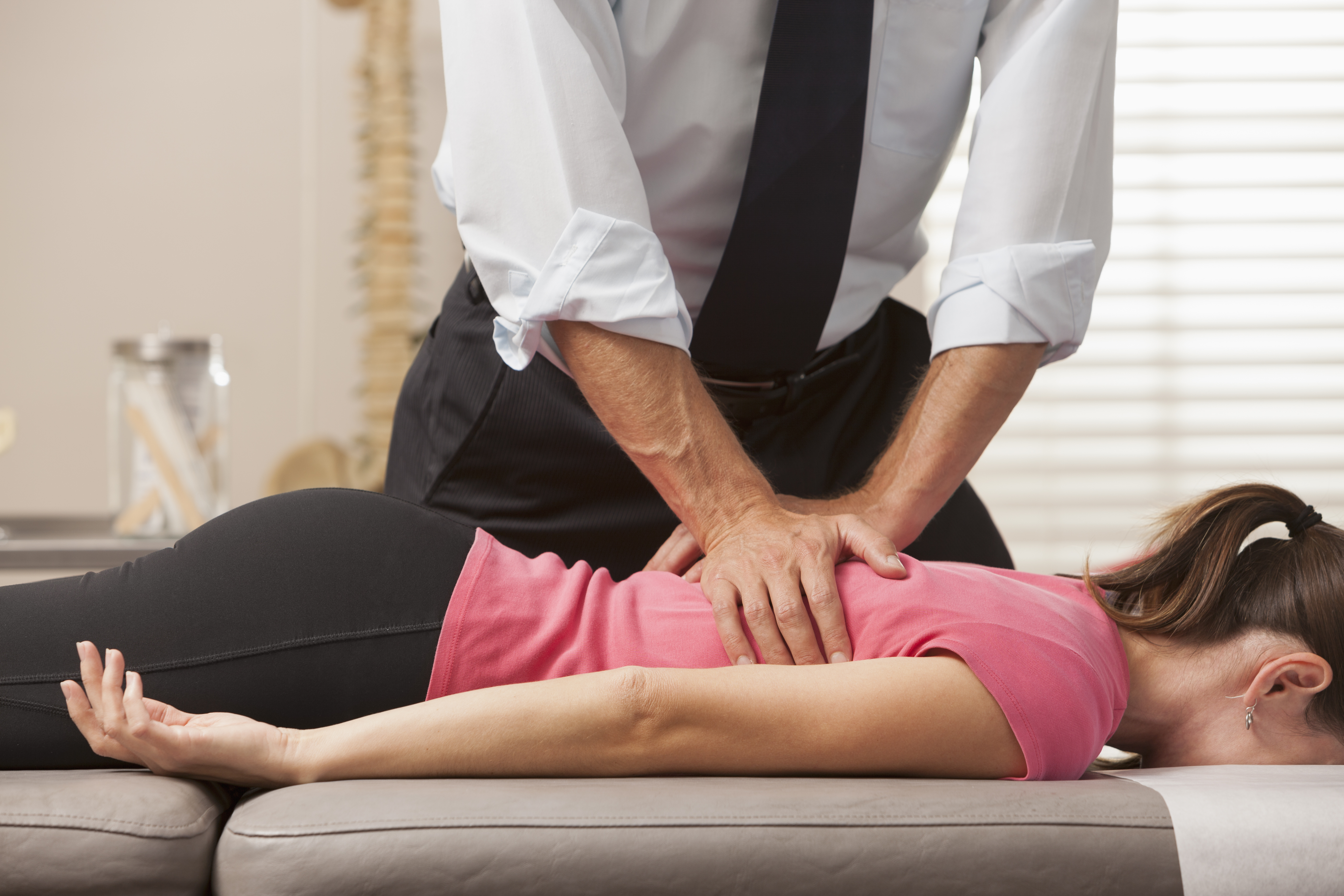
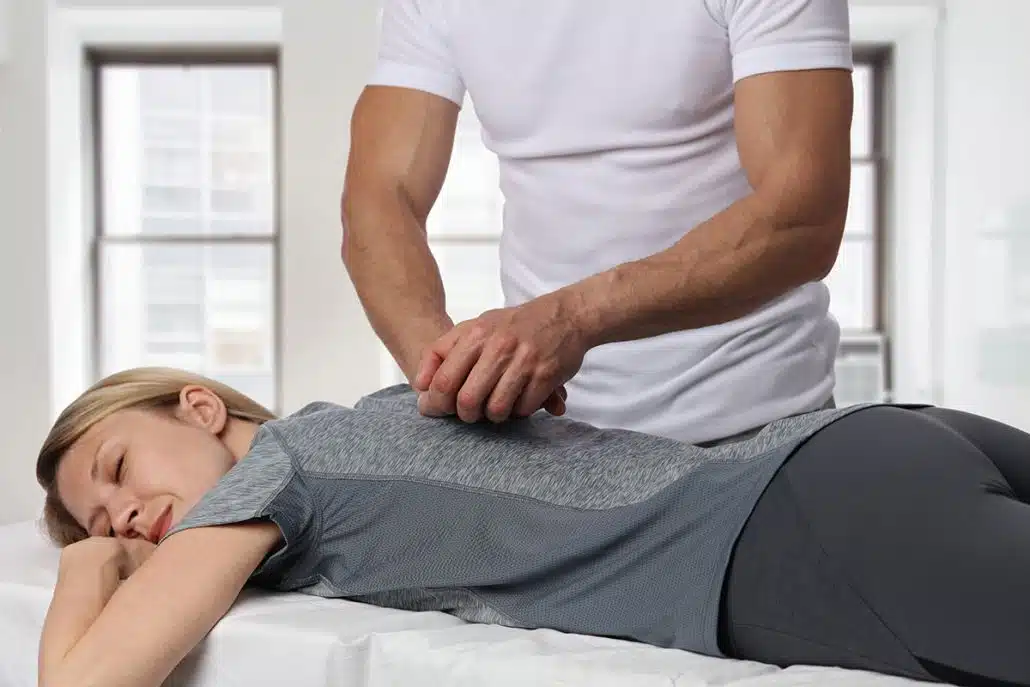
Spinal decompression techniques encompass a variety of techniques developed to ease pressure on the spine and its connected structures. These techniques can be generally categorized right into non-surgical and medical methods. Non-surgical methods consist of spinal traction, where gentle drawing forces are applied to the spinal column, producing area in between vertebrae. This can ease nerve compression and promote recovery. Chiropractic adjustments additionally drop under this category, concentrating on realigning the spine to improve function.
Surgical decompression methods include treatments such as laminectomy, where a section of the vertebra is eliminated to eliminate pressure on the spine or nerves. Discectomy, an additional surgical choice, involves the removal of herniated disc material. Furthermore, minimally intrusive methods, like endoscopic discectomy, are getting appeal as a result of their decreased recovery times. Each strategy serves a details purpose and may be chosen based upon specific patient requirements and the intensity of their spinal problem.
Advantages of Spinal Decompression
When thinking about the numerous strategies to managing spinal issues, the benefits of spinal decompression strategies become obvious. These techniques intend to alleviate pressure on the spinal discs and nerves, which can relieve pain and enhance total spinal health and wellness. By producing room between vertebrae, decompression promotes enhanced blood flow and nutrient flow to the impacted locations, assisting in recovery and recuperation.
In addition, spinal decompression can aid restore the natural placement of the spine, potentially minimizing the danger of future injuries. People frequently report boosted flexibility and flexibility following treatment, bring about a better lifestyle. The decrease in pressure can reduce signs associated with conditions such as herniated discs, sciatic nerve pain, and spinal constriction, offering a find non-invasive choice to even more invasive treatments. Generally, spinal decompression methods offer a series of restorative and physical benefits, making them a valuable part of substantial spine treatment.
Who Can Gain From Spinal Decompression?
People enduring from persistent back discomfort, herniated discs, or spinal stenosis might locate considerable alleviation via spinal decompression techniques. This non-invasive treatment can be particularly valuable for those experiencing nerve compression symptoms, such as tingling, numbness, or weak point in the arm or legs. Athletes recovering from injuries or individuals with degenerative disc illness may also consider spinal decompression as a feasible option for discomfort monitoring and improved flexibility.
Candidates for spinal decompression typically consist of those that have actually not reacted well to traditional treatments, such as medicines or physical treatment. It can likewise serve as an option for people seeking to prevent medical intervention. In general, spinal decompression methods can provide a restorative choice for different individuals facing spinal issues, assisting them regain a higher high quality of life and useful capacity. Consulting a healthcare professional is essential to identify the suitability of this treatment for certain conditions.
Factors to consider and Preventative Measures for Spinal Decompression

The sort of spinal decompression strategy-- whether medical or non-surgical-- need to line up with the person's details condition and general health status. Surveillance during the treatment is crucial to address any kind of unfavorable responses without delay. Clients have to additionally recognize that spinal decompression is not a one-size-fits-all option; a considerable treatment strategy may include physical therapy or lifestyle modifications to sustain recovery. On the whole, adhering to these preventative measures can significantly boost the efficacy of spinal decompression treatments and promote suitable spine wellness.
Often Asked Concerns
The length of time Does a Common Spinal Decompression Session Last?
A regular spinal decompression session lasts between 30 to 45 mins. This period permits ideal treatment while guaranteeing the individual continues to be comfy and obtains ample attention to their specific spinal concerns and demands.
Can Spinal Decompression Be Done at Home?
Spinal decompression can be carried out in your home with certain workouts and devices, such as inversion tables or back dental braces. Consultation with a healthcare specialist is advised to ensure security and efficiency in individual cases.
Is Spinal Decompression Painful?
Spinal decompression is generally not excruciating; nonetheless, people may experience mild discomfort or stress throughout the procedure. Pain levels can differ based upon the person's problem and the approach made use of for decompression.
The Amount Of Sessions Are Generally Required for Alleviation?
Normally, individuals might require 6 to 10 sessions of spinal decompression treatment to experience significant relief (Chiropractor). The precise number can vary based on specific problems and actions to therapy, requiring tailored examination by medical care experts.
Exist Any Kind Of Age Limitations for Spinal Decompression?
There are usually no strict age limitations for spinal decompression treatment. Nevertheless, viability might rely on individual health and wellness problems and the specific strategy utilized, so consultation with a health care specialist is recommended for individualized advice.
Spinal decompression techniques are vital for people experiencing persistent back discomfort or spinal concerns. Spinal decompression might appear complex, it fundamentally refers to a variety of strategies aimed at alleviating pressure on the spinal cord and surrounding nerves. When taking into consideration the numerous strategies to taking care of spinal concerns, the advantages of spinal decompression techniques become noticeable. People experiencing from chronic back pain, herniated discs, or spinal constriction might discover significant alleviation via spinal decompression methods. Generally, spinal decompression techniques can provide read a therapeutic alternative for different individuals facing spinal concerns, assisting them gain back a higher top quality of life and useful capability.
Comments on “Learn About Family Chiropractic Approaches to Pain Relief”